


Europe
Africa
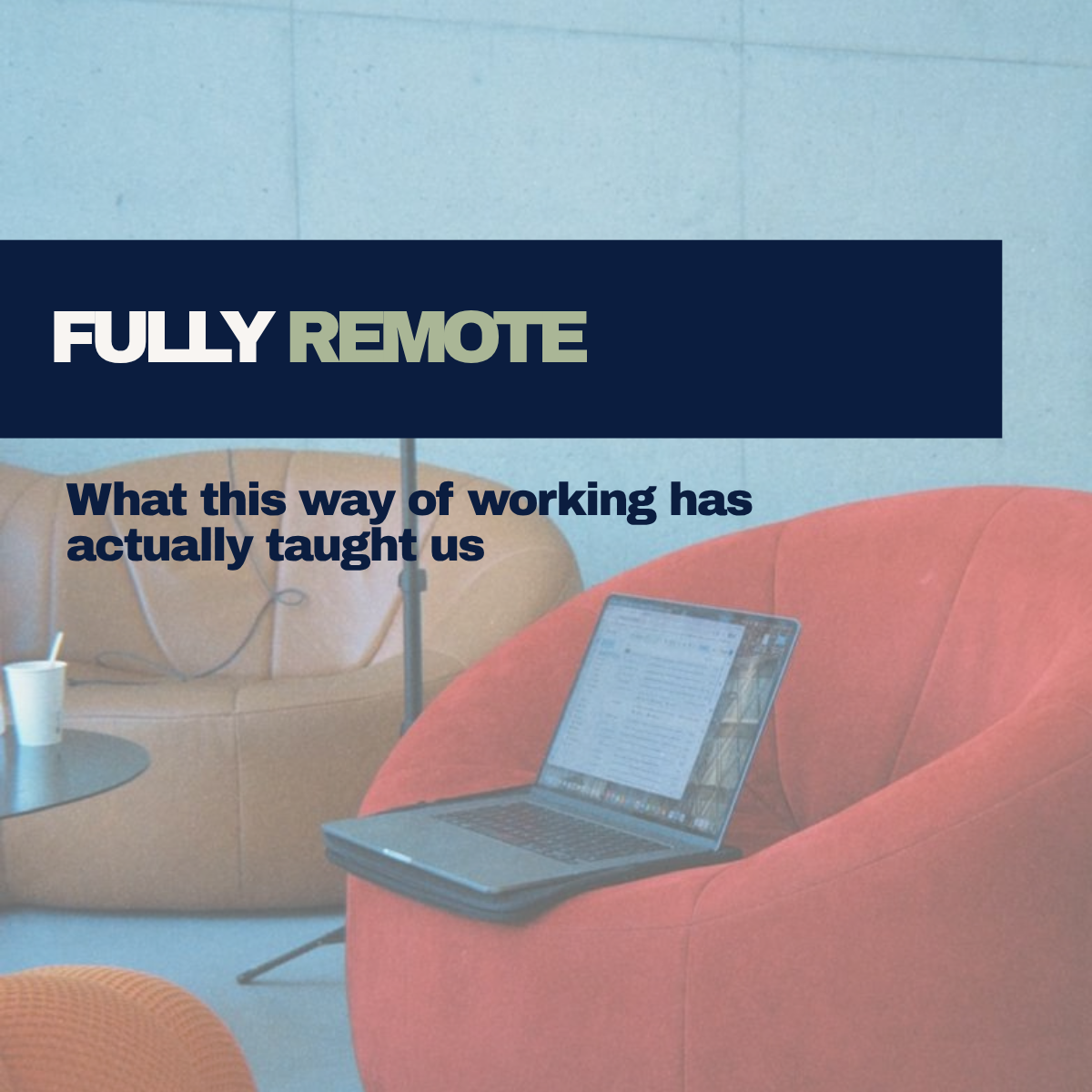
At Tutto Passa, remote working has been a foundational part of how we operate, from the very beginning. As a company, we've seen what this way of working makes possible and what it asks of us in equal measure. What follows is an honest account of how the team functions, whether it's ever been a problem for the clients we serve and the kind of life it makes room for. The question is whether remote working actually works for this agency, and for the people who work here.
What actually builds trust
In Communications and Marketing, proximity isn't necessary for a productive working relationship between agency and client. Trust comes from responsiveness, consistency, clarity, and quality. It's how the team is able to service clients across two continents at once: clear coordination and workflows, deadlines that are scoped with enough time built in for revision, and flexibility on both sides when something shifts.
One example of this played out directly for Beatriz (Communications and Content Assistant). "I was recently forwarded a message from a client sharing how a short, simple video we'd worked on had brought them more recognition from their peers and some concrete new opportunities. I've never met this client in person, yet we were able to find a clear direction together and create something that truly worked for them," she says. "It's a reminder that when you genuinely care about the work and the person on the other side of the screen, distance is just a detail."
None of Beatriz’s work was dependent on being in the same room as her client, let alone the same city. Trust here comes from hard work itself and communication, not from proximity to it.
Balancing Work and Life
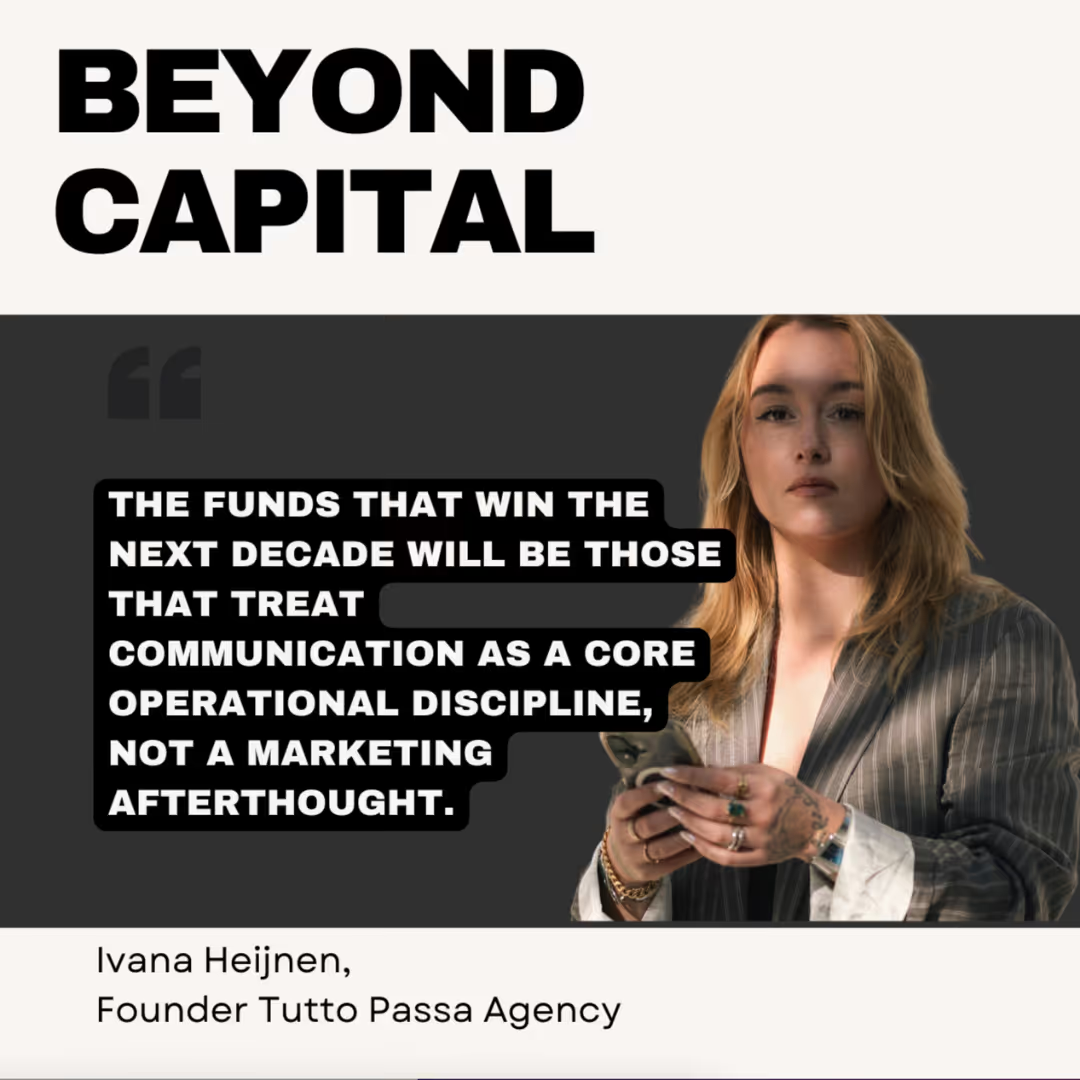
Being remote has translated into a real, tangible difference in how the team experiences day-to-day life. For Ivana (Founder), whose life is split across three countries (and whose work takes her to more than fifteen every year) she is now able to balance the stress of travel and client demands with family time, health, and relationships. This means often taking a call from a taxi, an airport gate, or even the gym rather than letting travel crowd everything else out. "When founding a company it's hard to fully take time off, and I don't really do this," she says. "Being remote allowed me this summer to work from Cyprus, taking mornings in the office and combining them with afternoons by the sea."
For someone with a schedule as demanding as a founder's, real downtime rarely happens on its own, there's no natural gap for it. Choosing where you work is what allows space for that time.
In practice, that space looks different from person to person. “Being remote means I can build a day around the work itself, early calls with clients or a quiet stretch to focus on strategy, without losing time to a commute either way. It also allows me to create an environment conducive both to my health and productivity.” - Raphaella (Communications & Content Assistant).
Different as those two examples are, they come down to the same thing, we do our best, most efficient work in conditions that are tailored to us.
A team and a client list, without borders
Because the work isn't tied to one office, it isn't tied to one city or one talent pool either, which means the right specialist for a project can be brought in wherever they happen to live.
For Ivana, that's the model in practice. "We're able to service clients across two continents thanks to our remote operating system," she says. "Our goal is to help them succeed in their region, and whether that's online or in a specific geography, we're able to span that through online synchronization and asynchronous coordination." At Tutto Passa, this materialises as clear workflows with clients, deadlines scoped with enough time built in for revision, and flexibility on both sides when something shifts.
What we've given up, and how we handle it
Working this way does come with real trade-offs. The team misses the spontaneous conversations that happen when people share a physical space, the ease of pulling everyone together on short notice, and the process of onboarding someone new through the screen rather than in person.
What offsets this is a matter of not leaving connection to chance, and for Lorraine (Communications & Content Assistant), that's meant being deliberate about it rather than assuming it'll happen on its own. "Remote work definitely brings a different dynamic to teamwork," she says. "You have to be way more intentional about making time to connect, and it takes effort from the whole team to make it happen." In practice, that means getting on a call together twice a week to stay aligned, and, on the rare occasion the whole team is in the same city at the same time, making a point of getting dinner. "We've all bonded over food," she says.
As a team, we have intentionally scheduled weekly meetings which efficiently cover everything that needs addressing across our projects, to ensure that we are all aligned and up -to-speed. However, Lorraine makes the point that there's also a genuine rapport across the group, which is why making time for conversations that are non-work related matters to us just as much as the practical check-ins.
Is this the best way to work?
Through conversations with the team and reflections on previous non-remote working experiences, the answer to this question is subjective. It suits people who are self-directed, motivated, reliable and comfortable with communicating in writing and in virtual meetings. It could be harder on those early in their career who learn best by watching others, and it takes real, deliberate effort to keep the team feeling connected.
But for a communications and marketing agency, where success comes down to judgment, responsiveness and the quality of the thinking rather than time spent at a desk, remote working hasn't felt at all like a compromise. It has let the team build trust with clients across continents without ever meeting in person, work around real life rather than in spite of it, and stay connected through effort rather than proximity.
Whether that makes it "the best way to work" might be the wrong question, the better one is best for what, and for whom, and for Tutto Passa, the answer is yes.