How we plan content at Tutto Passa, and why the work starts long before the camera does.
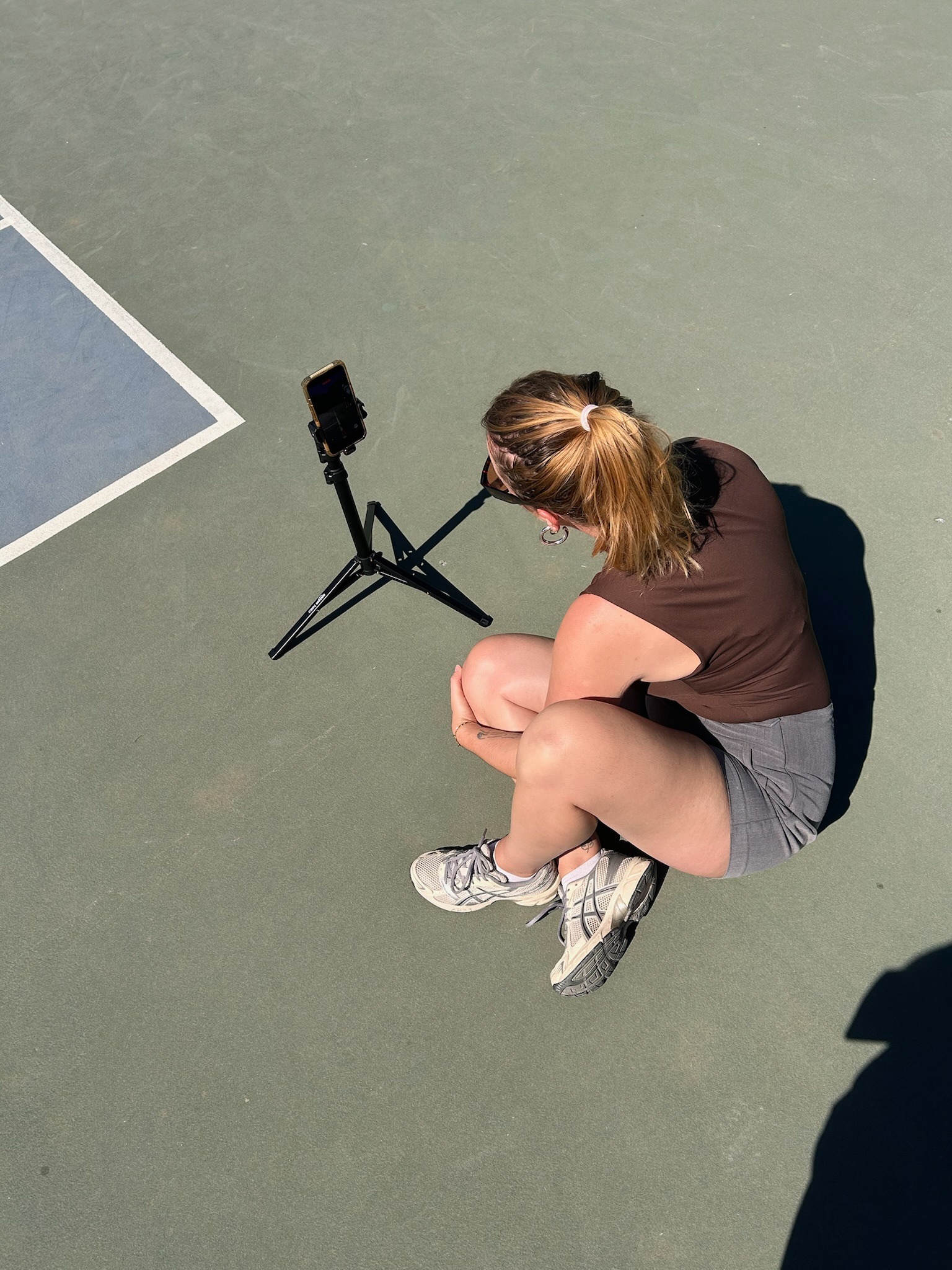
We've recently come back from Aix-en-Provence, where we spent two full days shooting photo and video for one of our sports clients.
On paper, it was a production shoot. In practice, most of the work happened weeks before we arrived on set, and the shoot itself was built to carry the brand through the next six months.
That's how we approach content. We plan for the story a brand needs to tell over the coming season, then make sure we capture what it takes to tell it well.
Why six months?
Because good content needs a long-term narrative behind it. Planning ahead lets one production day serve many purposes. It keeps the brand's look and message consistent, and it means the team isn't scrambling for something to post every week. It also gives stories room to build, so the audience sees a brand going somewhere and not just a feed of disconnected posts.
1. Start with the story
Before we think about cameras, we think about strategy.
What does the brand need to communicate? What are the business priorities? Which moments are coming up: launches, events, seasons, milestones? What do we want the audience to understand, feel or do?
From there, we build the foundations: content pillars, storylines and the key moments that matter to the brand.
This is also where we tie the content plan to the client's wider objectives. A shoot shouldn't exist in isolation from the business. Every story we tell and every asset we create should have a reason to be there.
2. Build a roadmap
Planning six months ahead doesn't mean knowing exactly what every post will look like.
It means knowing which stories we want to tell, and making sure there's enough variety, consistency and material to tell them well.
We map storylines across the coming months and look at how each piece can build on the last. The aim is progression: content that adds up to something, where each post moves the story forward on its own terms.
That's what continuity means to us. Individual pieces matter, but they matter more when they work together.
3. Plan the concepts before you pick up the camera
Once the roadmap is clear, we turn it into specific creative concepts.
For a shoot, that means video concepts and shot lists developed in advance. We think through locations, people, formats, angles and details, as well as the less obvious footage that will help bring future content to life.
Then we leave room for the shoot to surprise us, because it always does. A location works differently than expected. Someone says something better than what was scripted. A spontaneous moment turns out to be the strongest shot of the day.
The plan doesn't limit what can happen.
4. Make two days go further
For this client, we had two days of production to create content that would support the brand for six months. That means every hour on set has to count.
Rather than capturing a handful of finished ideas, we build a broad, varied content library across locations, angles, formats, people, movement and detail. We get the hero shots, and we get the in-between moments too:
- B-roll, close-ups and wide shots
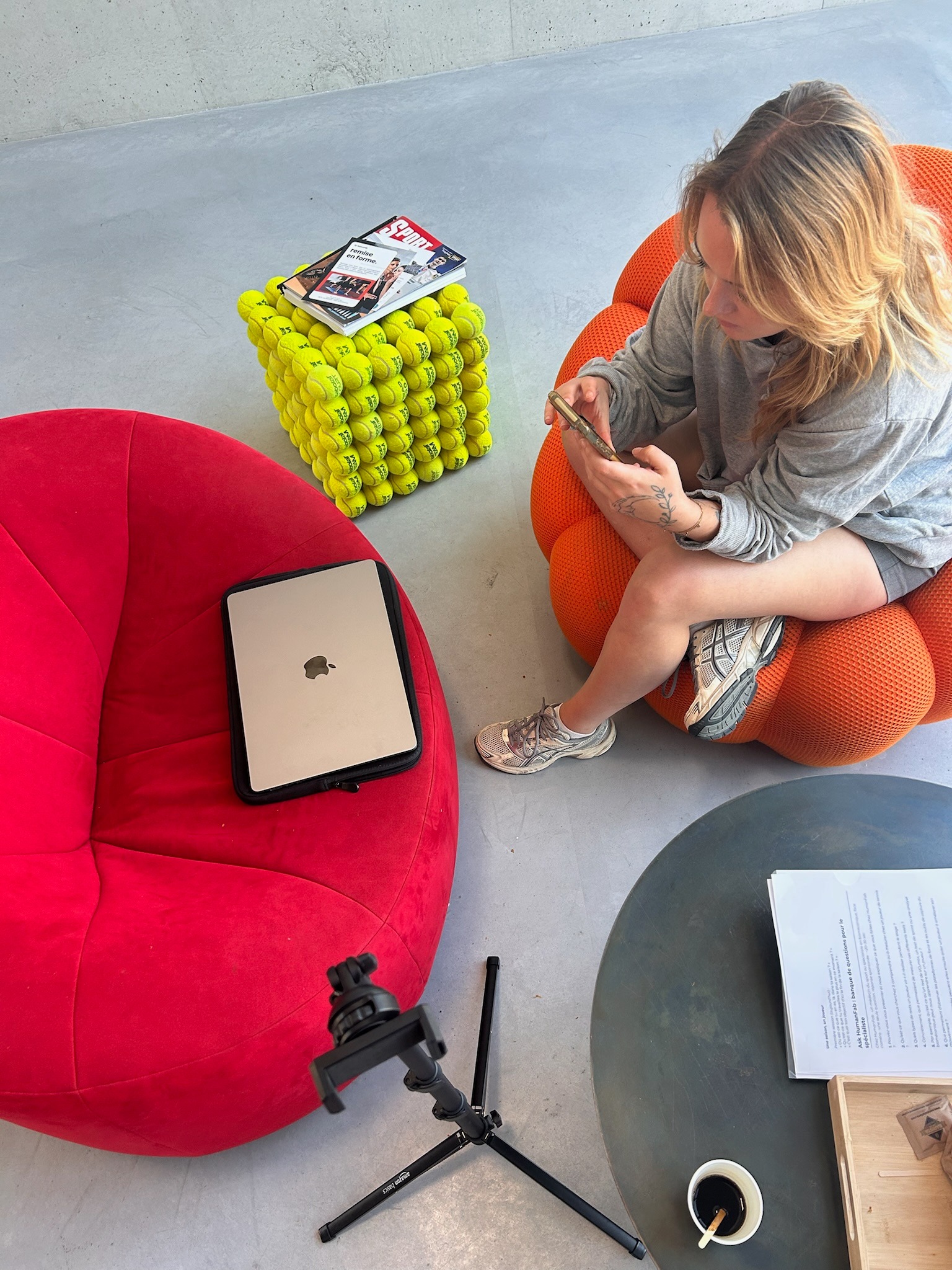
- Behind-the-scenes moments
- Several versions of the same concept, in different formats
The more deliberately we approach the shoot, the more options we create for the months ahead.
5. The shoot is only the beginning
When the cameras are packed away, the content becomes a library the brand can draw on for months.
One shoot can feed Reels and Stories, campaign assets, website imagery, behind-the-scenes content, educational pieces and supporting visuals for concepts that haven't been written yet.
And because it was planned with the wider strategy in mind, it's more than a folder of good-looking images and videos. We already know where each piece fits in the brand's story. When priorities shift, we have the material to adapt without going back to square one.